Read More From Our Blogs


Guide to Writing Effective Reference Questions

You want to hire the best person for the job. To do this, you need to ask the right people the right things. Using effective reference questions is the best way to learn about a person's past work. Many people still ask about "strengths and weaknesses." This is a mistake. These questions are too broad. They often lead to answers that do not help you make a choice. RefHub helps you change your process to get better data. By moving away from old habits, you can find out how a person will actually perform in your company.
Key Takeaways
- Old questions like "strengths and weaknesses" lead to scripted answers.
- Behavioral questions focus on what a person did in the past.
- Specific scenarios help referees give more honest feedback.
- Modern tools make it easy to build custom reference forms.
- Better data leads to better hiring choices for your team.
The Problem with Standard Reference Questions
Most hiring managers use the same list of questions for every candidate. You might ask, "What are the candidate's greatest strengths?" or "What are their weaknesses?" These questions are common, but they are not helpful.
- They lead to scripted answers: Referees want to help the candidate. They will give you "safe" answers that do not tell you much.
- They are too vague: A strength in one job might not matter in another job.
- They do not show behavior: Knowing someone is "hardworking" does not tell you how they handle a difficult client.
When you use these old questions, you miss the chance to get real facts. You need to know how the person works every day. You need to know how they solve problems. Generic questions do not give you this information.
Why Behavioral Reference Checking Works Better
To get better results, you should use behavioral reference checking. This method looks at past actions. It is based on the idea that past behavior is the best way to guess future behavior.
When you ask behavioral questions, you ask for specific examples. Instead of asking if someone is a leader, you ask about a time they led a project. This forces the referee to think about real events.
- It reduces bias by focusing on facts.
- It gives you a clear picture of the candidate's skills.
- It helps you see if the person fits your company culture.
This shift in how you ask questions makes your candidate evaluation much stronger. You stop guessing and start knowing.
Getting Actionable Feedback from Referees
The goal of a reference check is to get actionable feedback. This means you get information you can actually use to make a choice. If a referee says a candidate is "nice," that is not actionable. If a referee says the candidate "met every deadline for six months," that is actionable.
To get this type of feedback, you must:
- Ask about specific tasks related to the new job.
- Ask how the candidate handled stress or failure.
- Ask for a rating on a scale for specific skills.
RefHub allows you to collect this data in a clean way. When you have facts, you can compare candidates more easily. You can see who has the exact skills you need.
Improving HR Surveys for Candidate Evaluation
Your HR surveys should be built to find the truth. Many surveys are too long or too boring. This makes referees give short, unhelpful answers. You can improve your surveys by making them easy to fill out.
- Use a mix of multiple-choice and open-ended questions.
- Keep the survey focused on the job requirements.
- Make sure the questions are easy to understand.
A good survey helps the referee give you the details you need without taking too much of their time. This improves the quality of the data you collect for your candidate evaluation.
Using Drag-and-Drop Builders for Custom Surveys
You do not need to be a tech expert to make great surveys. You can use drag-and-drop builders to create your own forms. These tools allow you to pick the best questions for each specific role.
Using a builder helps you:
- Create scenario-based questions: You can write questions that ask how a candidate would act in a specific situation at your company.
- Organize your logic: You can group questions by skill, such as communication or technical ability.
- Save templates: Once you find a set of questions that works, you can save it for next time.
- Add rating scales: You can add 1-10 scales to get data that is easy to measure.
When you use these builders, you can move away from "strengths and weaknesses" quickly. You can build a survey that asks about the things that truly matter for the role.
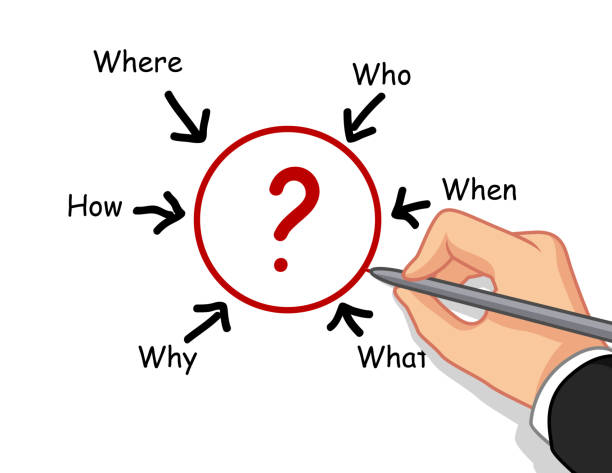
Examples of Better Questions to Ask
If you want to improve your hiring, you need to change your list of questions. Here are some examples of questions that provide better data than the old standards.
- Instead of "What are their strengths?": Ask, "In what specific areas did this person contribute the most value to your team?"
- Instead of "What are their weaknesses?": Ask, "If you were to coach this person, what is the first skill you would help them improve?"
- Instead of "Are they a team player?": Ask, "Can you describe a time this person had a conflict with a coworker and how they handled it?"
- Instead of "How was their attendance?": Ask, "How often did this person meet their project deadlines without needing a reminder?"
These questions require the referee to give a real answer. They cannot just say "they are great." They have to explain why. This gives you a much better look at the candidate.
Scenario-Based Questions
You can also ask questions about specific things that might happen in your office. For example:
- "In this role, the person will deal with angry customers. Can you tell me about a time the candidate had to calm down a frustrated client?"
- "We use a lot of new software. How quickly did the candidate learn new tools when you worked with them?"
- "This job requires working alone most of the time. How does the candidate stay motivated when they do not have a manager nearby?"
These questions help you see if the person can do the specific job you are hiring for.
Conclusion
Stop asking for "strengths and weaknesses." These questions do not give you the information you need to hire well. By using effective reference questions, you can get a clear view of a candidate's past work. Focus on behavioral reference checking and look for actionable feedback.
Use modern tools and HR surveys to make the process simple for referees. When you use drag-and-drop builders, you can create custom surveys that fit your needs. This will help you make better hiring choices and build a stronger team. RefHub is here to help you change your process for the better.
Frequently Asked Questions
Why is the "strengths and weaknesses" question bad?
It is bad because it is too common. Referees and candidates have ready-made answers for it. It does not tell you anything about how the person will act in a real work situation. It often results in vague praise rather than useful facts.
What makes a reference question effective?
An effective question is specific and looks for proof. It asks for examples of past behavior. It focuses on the skills needed for the new job. It also makes the referee think about real events rather than general feelings.
How many questions should be in a reference survey?
A good survey usually has between 5 and 10 questions. If it is too short, you do not get enough data. If it is too long, the referee might get tired and give poor answers. Focus on quality over quantity.
Can I use the same questions for every job?
It is better to change some questions for each role. A salesperson needs different skills than an accountant. You can keep a few basic questions the same, but you should add specific ones for the job's tasks.
How does behavioral checking help reduce hiring bias?
It focuses on what a person actually did. It asks for facts and results. This takes the focus away from personal feelings or first impressions. When you look at facts, you make a more fair choice.


English (United Kingdom)